
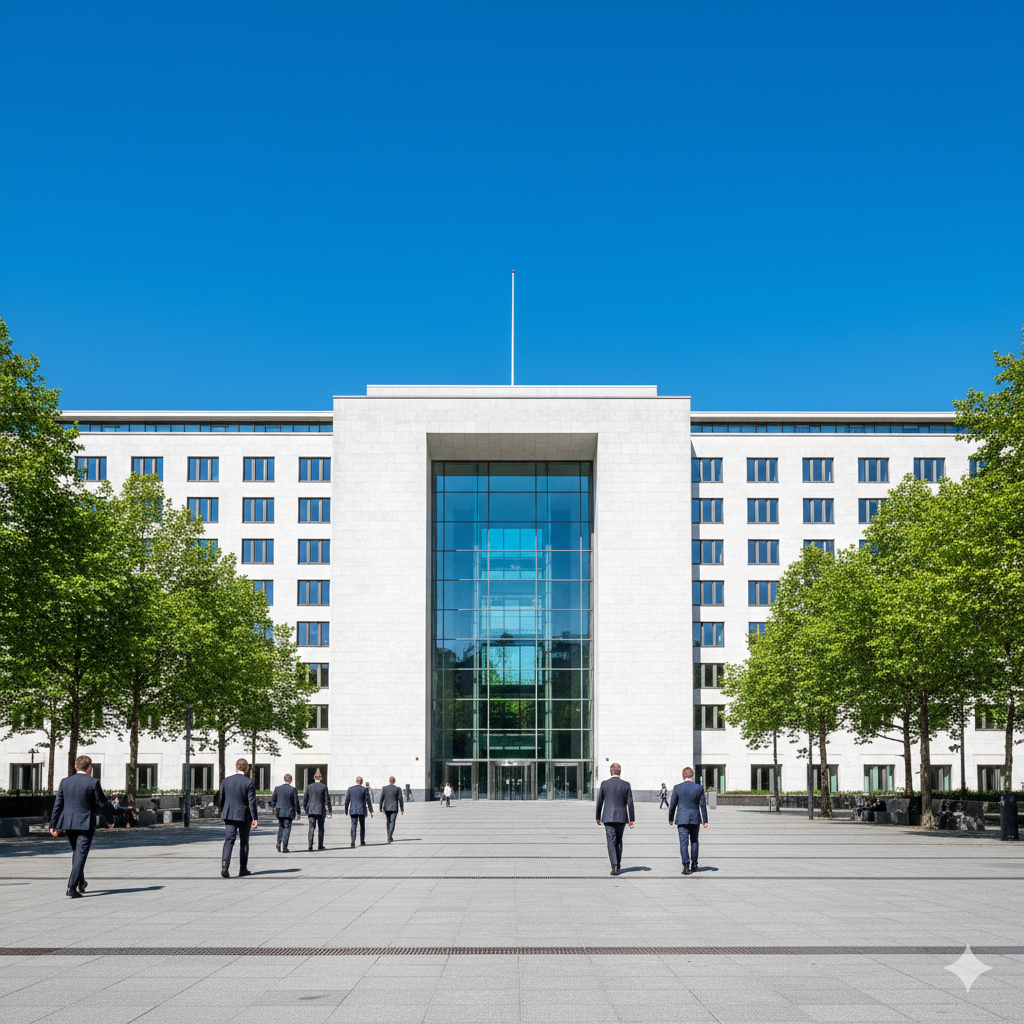
Setting up in the Netherlands used to be a tick-box exercise. In 2026, it is a strategic stress test.
The Netherlands remains a premier European gateway: stable, connected, and legally sophisticated. But the “letterbox” era is dead. A Dutch BV is no longer a “set and forget” entity. It must withstand banking scrutiny, substance audits, and anti-abuse regulations immediately upon formation.
At Parker Russell Netherlands, we don’t just incorporate entities. We engineer Dutch platforms that hold up under pressure.
Here is the 2026 reality check for international counsel and investors.
-
The Real Bottleneck: Banking, Not the Notary
Incorporation takes days. Bank onboarding can take months. In 2026, your go-to-market timeline is dictated entirely by KYC/CDD protocols.
- The Failure Point: Unclear ownership layers, vague “consultancy” activities, or lack of local footprint lead to immediate rejection.
- The Parker Russell Solution: We build a “Banking Defence File” before the first meeting is even booked. By pre-validating the UBO structure, business rationale, and counterparty contracts, we prevent the bank from derailing the market entry.
-
Substance: Evidence Over Address
“Substance” is not a buzzword; it is audit evidence. The Dutch Tax Authorities focus on the Place of Effective Management.
- The Test: Do strategic board meetings genuinely occur in the Netherlands? Does the local board have the authority to say “no” to HQ?
- The Risk: If the Dutch entity merely rubber-stamps foreign decisions, tax residency and treaty benefits are defenseless. We implement governance that is real, documented, and audit-proof.
-
Dividend Flows & The “Principal Purpose”
Cross-border distributions are under a microscope. Under the Principal Purpose Test (PPT), if a structure appears to exist primarily for a tax advantage, treaty relief can be denied.
- Our Approach: We stress-test the structure before formation. We document the commercial rationale as rigorously as the legal design. That documentation is your client’s primary shield when fiscal questions arise years later.
-
Drafting for Resilience (Kill the Templates)
Cross-border disputes rarely start with the law. They start with weak, standardized documents. We draft specifically for international friction points:
- Shareholders’ Agreements: Including deadlock and exit provisions that actually function under Dutch dispute law.
- Intercompany Loans: Ensuring arm’s length terms and repayment logic to prevent loans from being reclassified as equity/dividends.
- Management Services: Defining clear scope and pricing to secure deductibility.
-
Red Flags: A Guide for PRI Partners
Before referring a client for Dutch entry, watch for these deal-breakers:
- The Empty Holding: A request for a BV solely for treaty access with zero local footprint.
- UBO Obscurity: Multiple offshore layers (BVI/Cayman) without clear transparency guarantees banking failure.
- Vague Business Models: “General trading” without contracts, counterparties, or a credible operating plan.
The Parker Russell Netherlands Advantage We are not incorporation lawyers. We are structuring strategists. We bridge Dutch legal precision with international commercial reality, ensuring your client’s Dutch platform is bankable, compliant, and built for the 2026 regulatory landscape.